
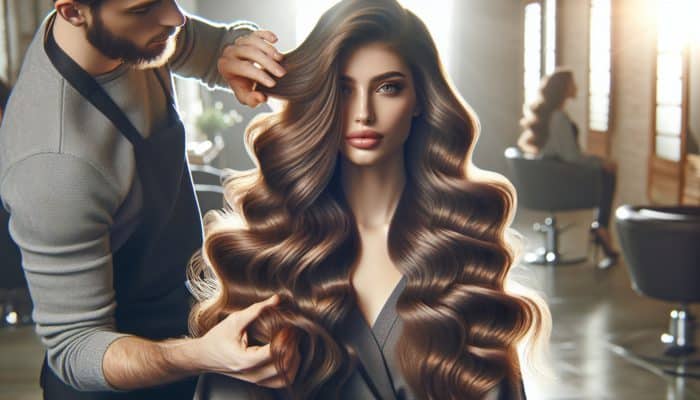
Mastering the Art of Layering Long Hair for Stunning Volume
Essential Steps to Prepare Your Hair for Layering
Layering Long Hair for Volume and Movement: Achieving remarkable results when layering long hair begins with thorough preparation, which is absolutely vital. This initial phase is about selecting the right hair type and gathering the necessary tools to ensure a successful outcome. Properly cleansing and conditioning your hair creates a uniform base that not only enhances natural flow but also yields a fuller look that stands the test of time. Start with a high-quality shampoo tailored to your hair type, followed by a nourishing conditioner that hydrates and softens your hair. This essential process not only prepares your hair for layering but also helps to preserve the shape of the added layers over time, ensuring they look fabulous.
For optimal results, ensure you have the following essentials:
- Quality shampoo suited to your hair type
- Moisturising conditioner for hydration
- Wide-tooth comb to detangle without causing damage
- Hair clips for effective sectioning
- Sharp hair scissors for precise cutting
- Blow dryer with a diffuser to enhance volume
- Heat protectant spray to shield hair during styling
- Styling mousse for added texture
Thorough preparation is key to achieving a finished look that feels effortless and incredibly flattering.
What Lengths Are Ideal for Layering Long Hair?
When determining optimal layer lengths, it is essential to understand that different hair lengths can produce different effects. Long hair typically offers greater styling versatility, allowing layers that create an illusion of lift and bounce without weighing the hair down. Generally, hair lengths below the shoulders allow for more pronounced layering, enhancing movement and texture. For instance, hair at mid-back length or longer can feature layers that add volume while beautifully framing the face.
Each layer must be cut strategically to ensure that the hair maintains a dynamic style. Shorter layers at the crown can add height, while longer layers at the ends provide a softer finish. This layered approach allows the hair to move freely, resulting in a lively, effortless appearance. Maintaining the right balance is crucial; too short and you risk losing volume, while too long may not achieve the desired bounce. Therefore, seeking advice from a specialist stylist, particularly one experienced in layering techniques, can be invaluable in finding the perfect length that complements your hair type and desired aesthetic.
Essential Styling Techniques Following Your Layer Cut
Once you have successfully layered your hair, the next step is to style it to enhance volume and movement. Initial styling methods are straightforward and effective, with a profound impact on how your new layers perform. Blow-drying is one of the most reliable techniques for achieving immediate movement and volume post-layering. Using a round brush while blow-drying will help lift the roots and create a natural bounce that looks fabulous.
Moreover, incorporating products such as volumising mousse or root-lifting sprays can significantly enhance the layered effect. When applying these products, focus on the roots before blow-drying to add essential lift and structure. To maintain that lively appearance, consider using a diffuser attachment when blow-drying, as it helps enhance curls or waves without causing frizz. The right combination of technique and product application will ensure that your hair appears vibrant and voluminous from the start, setting the tone for a dynamic hairstyle that lasts throughout the day.
How Can You Create Volume with Layers?

Selecting the Most Effective Layering Technique
Choosing the right layering technique is crucial for adding volume to long hair. Various methods can be employed, each with its own approach to achieving the desired lift at the roots. One of the most effective techniques is the ‘face-framing' layer, in which shorter layers are cut around the face, creating a soft, flattering look while enhancing volume.
Another popular method is the long-layers technique, in which uniform layers are distributed throughout the hair, creating a natural flow that feels effortless. For those seeking a more edgy look, ‘textured layers' can be employed, utilising point-cutting to create a dishevelled yet voluminous appearance. Each of these methods promotes lift at the roots and contributes to a solid foundation for enduring volume. Additionally, a ‘V-cut' technique can provide a subtle yet effective way to add dimensionality without sacrificing length.
It is essential to consult a professional stylist to determine the technique best suited to your hair type. Factors such as hair thickness, texture, and personal style preferences play a considerable role in selecting the right approach. A tailored method not only enhances volume but also simplifies maintenance in everyday routines, ensuring a look that is both manageable and stylish.
Adapting Layers for Various Hair Textures
Layers can adapt beautifully to a wide range of hair textures, each bringing out a unique aspect of fullness and movement. For fine hair, lighter, graduated layers can create an illusion of density. By removing excess weight, fine hair can appear fuller and more voluminous. Techniques such as ‘razor cutting' can also be beneficial, adding texture and reducing bulk, thus ensuring the hair moves freely without appearing flat or lifeless.
Conversely, for thick hair, the layering approach often requires more dramatic cuts to manage volume while enhancing movement. Here, strategically placed layers can help to reduce the bulk at the ends while maintaining body at the roots. The ‘de-bulking' technique, where a stylist removes weight from specific sections, can help thick hair maintain its form and bounce while still looking effortlessly chic.
Textured hair, especially that with curly or wavy strands, can benefit from layers that allow curls to spring and flow freely. Layers should be cut to preserve the natural curl pattern, ensuring they harmonise with the hair's inherent texture. Regardless of hair type, the aim should be to create a versatile style that moves freely and appears naturally voluminous, enhancing the overall aesthetic.
How to Maintain Volume Over Time in Layered Hair?
To preserve the volume achieved through layering, a consistent maintenance routine is vital. This involves using lightweight styling products that enhance the natural bounce without weighing the hair down. Opting for volumising shampoos and conditioners can help maintain lift, while avoiding heavy products that may cause flatness is essential to sustaining your hair's lively appearance.
Regular trims are also crucial for maintaining layered volume. Even minor trims every few weeks can prevent split ends and ensure that the layers sit correctly. Incorporating a weekly deep-conditioning treatment can further enhance hair health, contributing to a vibrant, bouncy appearance that lasts.
Moreover, regularly adjusting your styling techniques can help preserve volume. For example, experimenting with different blow-drying techniques or rotating styles can help keep hair looking fresh and lively. By integrating these simple yet effective maintenance routines, you can enjoy consistently vibrant, full-bodied layers that withstand the test of time and maintain their elegance.
Insights from Professionals on Layering for Enhanced Movement
Key Principles Shared by Hair Experts
Gaining insights from professionals is invaluable for layering hair to improve movement. Hair experts often emphasise the importance of understanding hair dynamics and how layers can influence flow. For instance, cutting layers with a ‘soft graduation' technique allows for seamless motion, preventing harsh lines that could hinder movement. This approach promotes a natural bounce that feels fluid and effortless, enhancing your overall hairstyle.
Additionally, experts recommend using a combination of layering techniques tailored to individual hair types to ensure the final result complements the client's natural texture. Real-world examples illustrate how stylists achieve this: for instance, a client with straight, fine hair might benefit from longer layers starting just above the shoulders. In contrast, a client with wavy hair may find that shorter layers around the crown enhance their natural wave pattern.
Understanding the importance of blow-drying techniques after layering is also crucial. Many stylists advise their clients to dry their hair upside down to maximise volume at the roots. Incorporating these expert principles into your layering process can significantly improve the outcome, resulting in beautifully flowing hair that radiates vitality and confidence.
Advanced Cutting Techniques for Dynamic Layering
Advanced cutting techniques can elevate layering, creating dynamic movement that sets long hairstyles apart. Techniques such as ‘slide cutting' and ‘point cutting' are particularly effective in adding texture and fluidity. Slide cutting, for instance, involves running the scissors along the hair shaft, gently removing weight while maintaining length, resulting in a softer, more blended appearance.
Point cutting, on the other hand, involves cutting the ends of the hair at an angle, which not only removes bulk but also encourages the hair to flick and move easily. When executed properly by a skilled stylist, this method can transform static hair into lively, animated styles that exude confidence and character.
Moreover, the angle at which layers are cut plays a crucial role in the final appearance. Layers cut at a slight angle can create a cascading effect, allowing the hair to swing effortlessly with movement. Incorporating these advanced techniques into your layering routine can deliver stunning results that turn heads and keep your style fresh and engaging.
Why is Movement Important in Layering?
The significance of movement in layered cuts cannot be overstated. Movement enhances the overall aesthetics of a hairstyle, providing it with a sense of life and energy. Strategically placed layers allow hair to flow naturally, creating an engaging look that evolves beautifully throughout the day and is visually appealing and inviting.
Furthermore, properly layered hair is easier to manage because its movement helps prevent tangles and knots. This not only enhances visual appeal but also supports hair health, reducing breakage and promoting a vibrant appearance. By focusing on creating layers that encourage movement, individuals can achieve hairstyles that not only look stunning but also feel effortlessly manageable, allowing for a confident everyday style.
Incorporating expert observations into the layering process can further underscore the importance of movement. Stylists often note that when hair moves, it reflects light more effectively, adding a sheen that enhances the overall look. This fluidity creates an engaging appearance that draws attention and showcases the beauty of the layered cut, elevating your hairstyle.
What Materials Are Necessary for Layering Long Hair?
Essential Tools for Effective Layering
For successful long-hair layering, having the right tools is essential to achieving precise, professional results. Essential equipment includes sharp scissors specifically designed for hair cutting, as blunt scissors can lead to uneven cuts and an unprofessional finish. Additionally, a fine-toothed comb is crucial for accurately sectioning the hair, allowing for clean cuts and well-defined layers that enhance movement.
Hair clips are another must-have; they help secure sections of hair while you work, ensuring you maintain control throughout the layering process. Moreover, investing in a quality round brush can help style post-cut hair by creating volume and movement, making your layers look even more fabulous.
To further enhance the layering process, a blow dryer with a diffuser attachment can be beneficial. This allows for more controlled styling, especially when working with natural curls or waves. Lastly, a heat protectant spray is vital to shield the hair from heat damage during styling. By ensuring you have the right tools, you set the stage for a successful layering experience that results in beautiful, voluminous hair that turns heads.
How to Choose Quality Products for Layered Hair?
Selecting quality products is critical to complement the layers and ensure they maintain their volume and movement. When choosing shampoos and conditioners, look for lightweight formulas that specifically target volumising properties. Ingredients such as biotin and keratin can help strengthen hair while promoting fullness and vitality.
Styling aids should also be carefully chosen; for instance, a volumising mousse or spray can provide lift without weighing the hair down. It's essential to avoid heavy oils or waxes, which can lead to flatness and greasiness in layered hair. Reading product reviews and seeking recommendations from hair professionals can help you make informed decisions about which products will work best for your hair type and desired look.
In addition, the pH balance of hair care products plays a significant role in maintaining hair health. Products with a balanced pH can help to retain moisture and prevent damage, ensuring that layered hair remains vibrant and healthy. By selecting quality products that support your layered hairstyle, you enhance the overall look and longevity of your style, ensuring it looks fabulous day after day.
Combining Tools for Optimal Layering Outcomes
To achieve optimal layering effects, it is crucial to integrate your tools effectively throughout the process. For instance, pairing clips with styling sprays can help secure sections while delivering the right amount of hold. This not only streamlines the cutting process but also enhances the styling phase, resulting in a more polished final look.
Using a combination of scissors and razors can also yield excellent results. Razors add texture and movement to the layers, ensuring that the style looks dynamic and effortlessly chic. Additionally, employing a wide-tooth comb to prep and detangle hair before cutting can prevent breakage, ensuring that each layer is cut cleanly and precisely.
Incorporating a heat protectant spray during the styling stage is essential when using hot tools. This protects the hair from damage while allowing you to create the desired volume through blow-drying or curling. The right combination of tools and products ensures a cohesive layering process, delivering lasting movement and fullness that enhance the overall hairstyle.
Proper Care and Storage of Your Layering Tools
Maintaining the effectiveness of your tools and products begins with proper storage and care practices. For scissors, protective cases help prevent accidental damage, keeping them sharp and ready for precise cutting whenever needed. Additionally, storing combs and brushes in a clean, dry place prevents contamination, which can lead to product build-up on the hair and compromise your styling results.
Styling products should be kept in sealed containers and stored in a cool, dry location to maintain their integrity. Exposure to heat and moisture can diminish the effectiveness of sprays and creams over time, leading to subpar results. Regularly checking product expiration dates and discarding any that have passed their shelf life ensures you are always using the most effective formulations for your hair.
Lastly, maintaining a thorough inventory of your tools and products helps you identify when replacements are needed, ensuring you are always prepared for successful layering sessions. By implementing these storage and care practices, you enhance the longevity and effectiveness of your materials, ensuring consistent, high-quality layering results that showcase your style.
Proven Strategies for Layering Long Hair Effectively
Techniques Employed by Professional Stylists
Professional hairstylists frequently utilise a variety of established layering techniques to build volume and enhance movement in long hair. One proven method is the long layering technique, where layers are cut throughout the hair to create depth and dimension while maintaining overall length. This technique allows for versatile styling options, whether you prefer sleek or tousled looks that suit your personality.
Another key approach is the use of ‘texturising shears'—a tool that helps to remove weight without compromising length. When applied strategically, this method can produce natural movement, making the hair appear fuller and more lively. Professionals often demonstrate successful transformations on clients, showcasing how tailored layering can drastically improve appearance and manageability, leading to confident hairstyles.
Moreover, layering should always take into account the individual's face shape and hair texture. For instance, softer layers can be cut on clients with round faces to create an elongated appearance, while angular layers may suit those with longer faces beautifully. By employing these expert techniques and understanding their applications, you can achieve fluid motion in long hairstyles that resonate with your unique aesthetics and personality.
Customising Layers to Reflect Personal Style
Customising layers to fit personal style is essential for achieving a unique look that resonates with individual preferences. A tailored approach ensures that the layers not only enhance volume but also reflect your identity and personal flair. For instance, if you prefer a more dramatic look, opting for shorter, face-framing layers can add a striking element while retaining volume throughout the hair.
Additionally, consider incorporating bangs or fringes to complement layered styles. Bangs can enhance facial features and create a cohesive look when combined with layered lengths, adding an exciting dimension to your hairstyle. For those seeking a softer appearance, longer, wispy layers can provide a gentle frame while enhancing movement and flow.
Consulting with a professional stylist can be invaluable in this process. They can guide you in personalising your layers based on factors like hair texture, lifestyle, and personal aesthetics. This collaborative approach results in a hairstyle that not only maintains volume and movement but also feels authentic to you, leaving you confident and empowered with your new look.
Integrating Layers into Your Daily Hair Care Routine
To maximise the benefits of layering, integrating it into your daily hair care routine is crucial. This involves adopting simple, reliable practices that maintain the bounce and flow of your layers. For instance, using a gentle brush to style can help prevent breakage while preserving the integrity of the layers. Aim to avoid tugging or pulling, which can cause unwanted frizz and flatten the overall look.
Incorporating a lightweight styling product into your routine can also enhance the longevity of your layers. Choose mousse or light sprays that add texture without heaviness, keeping your hair vibrant and full of life. Additionally, using a weekly deep-conditioning treatment helps maintain moisture, contributing to a lively appearance that captures attention.
Regular trims are essential in this process, as they prevent split ends and keep layers looking fresh and appealing. Setting reminders for salon visits helps maintain the integrity of your hairstyle, ensuring it continues to look its best. By seamlessly integrating these daily care practices into your routine, you can enjoy consistently beautiful, layered hair that exudes volume and movement, making a statement wherever you go.
Why Does Layering Enhance Movement in Hair?
The Mechanics Behind Layer Dynamics
Understanding the mechanics of layer dynamics is essential for creating a lively, engaging hairstyle. Layers create kinetic energy in hair, which directly impacts its movement and flow. When hair is layered, the weight distribution changes, allowing certain sections to move more freely and naturally. This phenomenon creates a hairstyle that responds dynamically to motion, resulting in a lively, engaging appearance that captures attention.
Moreover, the interaction between layers can create a cascading effect, where shorter layers lift and support longer ones, enhancing overall volume and movement. This layered structure allows airflow between sections, promoting a bouncier look and a more responsive feel throughout the day. By embracing these principles of layer dynamics, individuals can achieve hairstyles that are not only visually appealing but also maintain their shape and vitality effortlessly.
Furthermore, layering contributes to the overall health of the hair. With less weight on individual strands, the risk of breakage and damage is reduced, allowing the hair to thrive and move more freely. Understanding the science behind layers empowers individuals to make informed decisions about their hairstyles, leading to looks that are both beautiful and functional, enhancing both appearance and confidence.
How Do Layers Impact Hair Health?
The effect of layering on hair health is significant and often overlooked. Properly executed layers can reduce stress and tension on hair strands, leading to a healthier overall appearance. When hair is weighed down by excess bulk, it can lead to split ends and breakage, adversely affecting both the appearance of the hair and its long-term health.
Additionally, layers promote better airflow and the distribution of natural scalp oils, which are essential for maintaining moisture levels. This is particularly beneficial for individuals with thicker hair, as it prevents certain areas from becoming overly dry or weighed down. Thus, by opting for a layered cut, individuals can achieve a balance that enhances both volume and health, creating a stunning aesthetic.
Moreover, regular maintenance of layered hair, including trims and proper product use, can further promote its health. Ensuring the layers remain fresh and well-defined contributes to a polished appearance and reduces the risk of damage. Layering not only enhances aesthetic appeal but also plays a fundamental role in nurturing the hair, resulting in a vibrant, dynamic look that feels great.
Finding the Right Balance for Optimal Layer Flow
Achieving balanced layers is key to ensuring optimal flow and movement in long hair. It is essential to recognise that layers should complement one another to create a harmonious design throughout the hair. When cutting layers, consider the length and thickness of each section to ensure they work together to enhance movement rather than hinder it.
One effective technique is to cut layers in graduated lengths, allowing for a seamless transition between sections. This method not only maintains fullness but also encourages a natural swing that feels effortless and elegant. Additionally, adjusting the angle at which layers are cut can significantly impact their flow. Layers cut at an angle can create a more dynamic look, while blunt cuts may result in a heavier, less dynamic appearance.
Maintaining this balance requires regular assessments of the hairstyle. As hair grows, the layers may become uneven, necessitating trims to restore their intended shape. Consulting a stylist regularly can help ensure the layers continue to enhance movement and flow, adapting to changes in hair growth and texture. By focusing on balancing layers, individuals can achieve a hairstyle that feels vibrant, easy to manage, and effortlessly stylish.
Expert Maintenance Tips for Layered Hair
Daily Care Routines to Sustain Volume
Maintaining volume in layered hair begins with simple daily care routines that preserve the look's freshness. Gentle brushing is essential; using a wide-tooth comb or a soft-bristled brush can detangle without damaging the delicate layers. Aim to brush from the ends and work your way up to avoid unnecessary pulling, which can flatten the volume and overall look.
Incorporating lightweight styling products into your routine is also beneficial. Opt for volumising sprays or mousses that enhance lift without adding heaviness. Applying these products to damp hair before styling can help create a full-bodied appearance while maintaining movement and vitality. Additionally, setting aside time for regular trims every six to eight weeks can prevent split ends and help keep layers defined and bouncy, enhancing your style.
Here’s a quick list of maintenance tips:
- Use a wide-tooth comb for gentle detangling
- Incorporate lightweight volumising products into your routine
- Brush from the ends to avoid breakage
- Schedule regular trims for maintenance
- Avoid heavy oils that can weigh hair down
- Consider using a leave-in conditioner for added moisture
- Protect hair from heat damage with appropriate sprays
- Experiment with styling techniques for variety
By following these quick maintenance tips, you can preserve the volume and vitality of your layered hairstyle, ensuring it always looks its best and reflects your unique style.
Revitalising Layers at Home: Simple Techniques
Refreshing faded layers at home is easy with a few simple techniques. Regular trims are crucial, but if you're looking for a quick fix, you can also employ styling tricks to revive your look without needing a salon visit. One effective method is to use a flat iron or curling wand to add movement to specific sections, particularly around the face, where layers can often lose their definition and vibrancy.
Another helpful technique is to apply dry shampoo at the roots. This product not only absorbs excess oil but also adds texture and volume, making layers appear fresher and more lively. Additionally, consider using a sea salt spray to enhance natural waves, providing a beachy, tousled look that revitalises tired layers and brings them back to life.
To maintain the overall integrity of your hairstyle, be mindful of how often you use heat on your hair. Embrace your hair’s natural texture and, when possible, allow it to air dry to prevent unnecessary damage. By employing these methods, you can refresh your layers at home, keeping them vibrant and full of movement without professional help, ensuring you always look your best.
Long-Term Strategies for Sustaining Layer Movement
Sustained layering maintenance is essential to maintain both volume and movement in long hairstyles. Seasonally adjusting your routine can play a significant role in this process. For instance, during summer months, consider lighter products that won’t weigh your hair down in humid conditions, while winter may call for richer moisturising treatments to combat dryness and maintain vibrancy.
Incorporating protective styles can also contribute to long-term movement. Styles such as braids or loose buns can reduce friction and prevent damage, allowing layers to remain intact and looking fantastic. Additionally, scheduling regular salon visits helps ensure your layers stay fresh and vibrant. Even a minor trim can make a substantial difference in maintaining the desired shape and volume.
Lastly, maintaining a healthy lifestyle supports your hair's overall health. A diet rich in vitamins and minerals can promote growth and vitality, ensuring that layered hairstyles look their best consistently. By integrating these long-term strategies into your routine, you can enjoy enduring volume and lively movement throughout the changing seasons, keeping your hairstyle looking fabulous.
Selecting the Most Suitable Products for Layered Hair
Choosing the right products for layered hair is essential to ensure that each layer maintains its volume and freshness. Start with shampoos and conditioners specifically designed for volume enhancement. Look for formulas containing ingredients such as keratin and biotin, which can strengthen hair and support its structure while maintaining a healthy appearance.
For styling, lightweight mousse or volumising spray is ideal, as it provides lift without weighing the hair down or sacrificing movement. Avoid heavy creams or oils, as they can cause flatness, particularly in layered styles. When styling, consider using a heat protectant spray to shield your hair from heat-tool damage, preserving its health and appearance for stunning results.
Additionally, regular use of a deep-conditioning treatment can help maintain moisture in your hair. Products designed to enhance shine can also be beneficial, as they improve the hair's overall appearance and vitality, giving your layers a radiant glow. By carefully selecting the right products, you can ensure that your layered hairstyle remains vibrant, frizz-free, and full of life, enhancing your overall look and confidence.
Your Frequently Asked Questions Answered
What is the purpose of layering long hair for added volume and movement?
Layering long hair involves cutting at different lengths throughout the hair to create depth, volume, and movement, thereby enhancing the overall style and manageability.
How should I prepare my hair for layering?
Preparing your hair for layering includes thoroughly cleansing and conditioning it, using combs and clips for effective sectioning, and ensuring it is dry and free of tangles.
What hair lengths are most suitable for layering?
Hair lengths that fall below the shoulders are ideal for layering, as this allows for more pronounced layers that create lift and movement without excess weight.
What steps can I take to maintain volume in my layered hair?
To maintain volume, use lightweight styling products, avoid heavy oils, and schedule regular trims to prevent split ends and keep the layers looking fresh and voluminous.
What tools do I need to layer my hair effectively?
Essential tools include sharp scissors, a fine-toothed comb for sectioning, hair clips to secure sections, and a round brush for styling after cutting to enhance movement.
How often should I refresh my layers at the salon?
It is advisable to refresh your layers every six to eight weeks with trims to maintain shape and volume, ensuring that your hairstyle always looks polished.
Is it possible to layer my hair at home?
While layering can be done at home, it is recommended to consult a professional stylist to achieve the best results, especially for more complex layering techniques that require expertise.
Which products are best suited for layered hair?
Opt for volumising shampoos and conditioners, lightweight styling mousse or spray, and deep-conditioning treatments to maintain moisture and enhance the layers.
How do layers impact hair health?
Layers can promote healthier hair by reducing bulk, allowing for better airflow and oil distribution, thus preventing breakage and enhancing movement for a more vibrant appearance.
What styling methods can I use after layering my hair?
Blow-drying with a round brush, using heat-protectant spray, and incorporating styling mousse can significantly enhance volume and movement after layering your hair for a stunning effect.
Kole Rossi
January 23, 2026I love how you emphasized the importance of preparation before layering long hair. It really makes a difference! I’ve had my ups and downs with layers over the years, and I’ve found that the right products can really elevate the whole experience. Once, I experimented with a leave-in conditioner after washing and conditioning, and it added this incredible bounce that made my layers look even more dynamic.