
Essential Materials for Mastering Pastel Wash Techniques
What materials are essential for pastel washes?
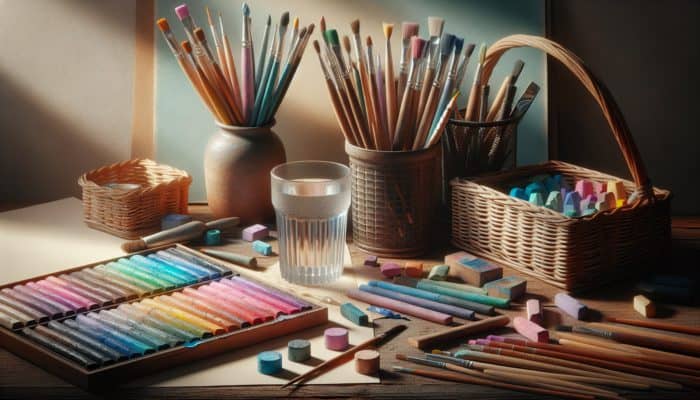
Experimenting Pastel Washes Innovatively: Embarking on your artistic journey by experimenting with pastel washes requires specific materials that can significantly impact your artwork's final appearance. High-quality soft pastels are fundamental due to their rich pigmentation, which produces vibrant, lively colours. Additionally, investing in pastel brushes is crucial, as they facilitate effective application and blending of colours. It is equally important to select suitable surfaces, such as velour or pastel paper, which enhance the wash effect by providing a smooth canvas for colour application. Artists attending workshops across Europe frequently highlight how these materials contribute to the vibrancy and texture of their work, underscoring the necessity of high-quality tools for artistic expression.
Techniques to Enhance Your Pastel Wash Application
Applying pastel washes creatively involves exploring various techniques that promote artistic expression and innovation. Start by laying down a broad initial layer of colour, gradually building up additional layers to facilitate blending and interaction between hues. Techniques such as feathering and scumbling allow for unique textures and transitions, enabling artists to craft compelling visuals. For instance, by blending light and dark pastels, one can create an atmospheric sky that captures the viewer's imagination. Developing these methods through practice is essential, as it nurtures your unique style and enhances your artistic journey. In workshops worldwide, artists share their diverse approaches to blending, enriching the learning experience through collaboration and shared insights.
How can I achieve smooth blends in pastel washes?
Achieving smooth blends in your pastel washes requires both a gentle touch and strategic techniques. Begin by selecting complementary colours that harmonise well, then apply them in thin, controlled layers. To create seamless transitions, use a clean, dry brush to softly blend the edges of the colours, ensuring that you avoid overworking the area, which can lead to undesirable muddy hues. Regular practice is crucial in refining your blending skills; consider dedicating time each week to experimenting with various blending methods. Many artists discover that as they gain experience and familiarity with the medium, the blending process becomes increasingly intuitive, yielding innovative results that often exceed their expectations.
Understanding the Process of Experimenting with Pastel Washes
Core principles of the pastel wash process
Grasping the core principles behind pastel washes is essential for successful experimentation and artistic growth. Begin by establishing a clear vision for your artwork and then mix your pastels with a small amount of water or a suitable fixative to create your wash. Apply this mixture using a brush or sponge, ensuring even coverage across your chosen surface. This foundational approach sets the stage for experimentation and skill development, allowing artists to uncover their unique styles. Beginners should first focus on mastering basic washes before integrating more complex layering techniques, thereby building confidence and adaptability as they progress. Regular practice fosters significant improvements in technique and personal expression.
Common challenges faced during pastel wash experimentation
Artists often encounter challenges such as achieving even coverage or blending colours seamlessly. One prevalent issue is creating consistent washes that avoid streaks or patches. Overcoming these obstacles requires sustained practice and a willingness to explore alternative techniques. For example, employing a damp brush can assist in smoothing out uneven areas, while layering effectively can add depth and complexity to your artwork. Embracing these challenges ultimately paves the way for greater freedom in your artistic practice, allowing for more innovative outcomes in your pastel washes. Joining artist communities can also provide valuable support and insights into overcoming these common hurdles.
Why is it important to focus on innovative approaches in pastel washes?
Focusing on innovative approaches in pastel washes is essential for enhancing depth, texture, and emotional resonance in your artwork. Creativity in application transforms simple washes into dynamic expressions that convey a narrative or evoke feelings. By experimenting with various techniques and tools, artists discover unique methods to represent their vision, resulting in personalised artwork that resonates more deeply with viewers. Furthermore, challenging traditional methods inspires broader artistic exploration, fostering new styles and unexpected results. This commitment to innovation enriches individual practice and contributes to the ever-evolving global art landscape, fostering a vibrant artistic community.
Essential tools and materials for pastel wash experimentation
The key tools and materials necessary for successful experimentation with pastel washes include high-quality soft pastels, durable brushes, and a variety of surfaces designed specifically for pastel application. Selecting top-notch items optimises results and encourages innovative exploration. Aspiring artists should consider their budget and availability when selecting materials that align with their creative vision. Recommended tools include:
- Soft pastels in a wide spectrum of colours
- Stiff and soft brushes for effective blending
- Pastel paper or velour surfaces that enhance application
- Fixative sprays to preserve completed works
By investing in these essential tools, artists can achieve versatile, vibrant results in their pastel washes, thereby enhancing their capacity for creative experimentation.
Expert Insights on Innovating with Pastel Washes
Advanced layering methods for dynamic pastel washes
Advanced layering methods play a pivotal role in building depth and texture within pastel washes. Artists can harness techniques such as glazing, in which transparent layers of colour are applied over dried washes, enabling intricate interactions between colours. This approach elevates artwork by creating a sense of dimensionality and richness that captivates viewers. Experienced artists often analyse their layering strategies to optimise texture creation, ensuring that each layer contributes meaningfully to the overall composition. For instance, layering deep blues and violets beneath lighter pastels can create a stunning, vibrant sky. Practising these advanced methods fosters a deeper understanding of colour interplay and encourages ongoing innovation in your work.
Benefits of engaging in creative experimentation with pastel washes
Engaging in creative experimentation with pastel washes provides numerous advantages that substantially enhance artistic development. These include improved self-expression, greater technical skills, and a richer understanding of colour theory. Key benefits encompass:
- Increased confidence in making artistic decisions
- Discovery of unique personal styles
- Enhanced problem-solving abilities within artistic contexts
- Development of a diverse and impactful portfolio
Through continual experimentation, artists not only refine their technical skills but also broaden their creative horizons, leading to original artworks that captivate audiences and push the boundaries of their medium.
What distinguishes innovative pastel washes from traditional methods?
Innovative pastel washes are characterised by unique elements that differentiate them from conventional techniques. Originality in application, such as the use of unconventional tools or unexpected colour combinations, can yield captivating results that engage viewers. Additionally, artists who embrace spontaneity and allow for serendipitous outcomes often find their washes exude a distinct allure. This uniqueness reflects the artist’s personal journey while inviting the viewer to engage with the artwork on multiple levels. By prioritising innovation, artists can produce pieces that resonate deeply and inspire meaningful dialogue within the artistic community.
Inspirational case studies showcasing innovative pastel washes
Examining real-world examples of artists who have pushed the boundaries of pastel washes unveils the potential for innovation within this medium. Notable artists like Anna McCarthy, celebrated for her ethereal landscapes, have utilised unconventional layering techniques to evoke a sense of movement and light. In workshops, McCarthy shares insights into how interactions among colours can lead to unexpected results, encouraging participants to embrace experimentation. This approach not only enhances individual creativity but also serves as an inspiring reminder that artistic exploration is integral to the creative process.
Research-Backed Advantages of Innovating with Pastel Washes
Key advantages of innovative practices for artists
Engaging with innovative pastel washes yields evidence-based benefits that boost both skill and creativity, highlighting the importance of sustained practice. Artists who consistently experiment report significant improvements in their technical abilities and artistic confidence, empowering them to tackle more complex compositions with ease. This ongoing engagement fosters a deeper connection to their work, ultimately leading to a more fulfilling and satisfying creative experience.
How can I creatively integrate pastel washes into my artwork?
Integrating innovation into pastel washes can be achieved through various techniques, such as varying the pressure applied when using colour or experimenting with mixed-media approaches. By altering the intensity of your strokes, you can achieve diverse textures and effects that elevate your artistic results. This creative integration fosters experimentation, enabling artists to uncover new dimensions in their work. Techniques like layering with watercolours or incorporating inks can inspire fresh perspectives, leading to groundbreaking outcomes that challenge traditional norms.
Potential outcomes from the regular practice of pastel washes
Regular practice of pastel washes can yield significant benefits, including a more refined artistic portfolio and a clearer sense of personal style. Artists who dedicate consistent time to honing their skills often observe improvements in their technical execution and conceptual understanding. Furthermore, continuous experimentation enables exploration of diverse themes and ideas, enriching the overall artistic journey through regular practice sessions. An artist’s engagement with their medium transforms, fostering ongoing growth and innovation in their work.
Insights from case studies on innovative pastel washes
Analysing case studies that highlight innovative experimentation with pastel washes demonstrates how artists have achieved breakthroughs in their expression. Recent studies in art therapy indicate that engaging with pastels can enhance emotional well-being while fostering originality. Artists who adopt these techniques frequently report that their work resonates more deeply with viewers, leading to greater recognition and new opportunities. These empirical insights underscore the value of innovation in artistic practices, encouraging professionals to adopt experimentation as a catalyst for growth.
What are the Key Advantages of Innovative Pastel Techniques?
Exploring techniques that enhance texture in pastel washes
Innovative pastel techniques significantly enrich the texture in artwork, adding a compelling layer of depth that captivates viewers. Techniques such as colour layering, the use of diverse applicators, and experimentation with backgrounds can produce varied and engaging effects. For example, incorporating coarse pastels for a rough texture alongside smoother ones creates a dynamic contrast that enhances the visual experience. Artists who embrace these textural enhancements often find that their works resonate more deeply, inviting exploration and engagement from the audience.
Tools that enhance creative pastel wash applications
The right tools are essential for supporting creative pastel washes and fostering experimentation. Key items include high-quality pastels, brushes of varying stiffness, and diverse surfaces that facilitate unique applications. Such tools empower artists to explore a variety of techniques and styles, significantly enhancing their creative expression. A suggested list of essential tools comprises:
- Soft pastels in a wide spectrum of colours
- Blending stumps for achieving smoother transitions
- Watercolour paper suitable for mixed media
- Palette knives for creating unique textures
Utilising these tools effectively can lead to dynamic artistic creations, promoting innovative approaches that reflect the artist's personal journey and vision.
Moving Beyond Basic Applications of Pastel Washes
Extending beyond basic applications of pastel washes encourages versatility in artistic endeavours. Artists can explore complex projects, such as creating intricate multi-layered compositions or integrating other media into their work. This exploration fosters an iterative learning process in which each project informs and enhances the next. By delving into advanced techniques, artists can push the boundaries of their creativity, discovering innovative methods that enrich their overall practice. A willingness to experiment can lead to unexpected breakthroughs, ultimately enhancing the depth and quality of artistic expression.
Proven Strategies for Experimenting with Pastel Washes Innovatively
Foundational tips for beginners venturing into pastel washes
For beginners eager to explore the world of pastel washes, foundational tips can significantly ease the learning curve and enhance the creative experience. Start with simple exercises, such as creating gradient washes or investigating colour combinations. This approach builds confidence and familiarity with the medium, which is essential for tackling more complex works. Encourage experimentation with various pressures and strokes to uncover unique effects. Joining local art classes or online forums can provide invaluable support and inspiration, offering beginners a sense of community and shared learning experiences.
How to evolve from basic to advanced pastel wash techniques
Transitioning from basic techniques to advanced applications necessitates a focus on iterative learning and skill enhancement. Artists should regularly challenge themselves by experimenting with new methods, such as advanced layering or the incorporation of multimedia elements into their work. Documenting progress, whether through sketches or photographs, aids in tracking development and encourages reflection on one’s artistic journey. Engaging with experienced artists in workshops can provide valuable insights and foster growth, enabling individuals to evolve their skills and innovate their techniques over time.
Strategies for sustaining long-term creativity in pastel washes
Maintaining inspiration for long-term creativity requires diverse strategies that encourage continuous exploration and artistic growth. Setting aside dedicated time for experimentation, whether through personal projects or collaborative efforts, can stimulate fresh ideas and perspectives. Additionally, drawing inspiration from nature, culture, and art history can introduce new dimensions to your work. Regularly revisiting past projects and re-evaluating techniques can help artists identify areas for growth, ensuring that their creativity remains vibrant and dynamic throughout their artistic journey.
Innovative Layering Techniques for Enhanced Pastel Washes
Innovative layering techniques are essential for building complexity and vibrancy in pastel washes. Methods such as applying lighter colours over darker ones can create luminous effects, while layering complementary colours enhances depth and visual interest. Artists are encouraged to experiment with different applicators, including sponges and fingers, to achieve varied textures. Practical tips include starting with an underpainting to establish a base layer and gradually adding subsequent layers, allowing each layer to dry before applying the next. This method not only promotes seamless blends but also invites artists to push their creative boundaries, thereby enabling them to discover new visual depths through experimental overlays.
Integrating Pastel Washes with Other Artistic Media
Integrating pastel washes with other artistic media, such as watercolours or inks, can significantly enhance innovation while maintaining the essence of pastels. Strategies for merging these media involve understanding their characteristics and how they interact. For example, applying pastel washes beneath watercolour can create a vibrant foundation, allowing the transparency of watercolour to interact beautifully with the opacity of pastels. This cross-disciplinary experimentation offers artists novel ways to express their ideas, tapping into the strengths of each medium and expanding their artistic horizons.
Frequently Asked Questions about Pastel Washes
What are pastel washes?
Pastel washes are techniques used in pastel art in which pigments are applied with water or a medium to achieve a smooth, blended effect. This method allows for layering and seamless transitions between colours, enhancing the overall aesthetic.
Can I use oil pastels for washes?
Yes, oil pastels can be utilised for washes, although they necessitate different techniques due to their oil content. Mixing them with a medium or solvent can produce a wash effect resembling that of soft pastels.
How do I select the right paper for pastel washes?
Choosing the appropriate paper involves selecting one specifically designed for pastels, with a texture that effectively holds pigment. Look for pastel paper with sufficient tooth or texture that facilitates blending and layering.
What is the best way to store pastels?
To store pastels effectively, keep them in a cool, dry environment within a container that prevents breakage. Using a pastel box with compartments can help maintain its integrity and usability.
Can I mix pastel washes with other mediums?
Absolutely! Mixing pastel washes with mediums such as watercolours, acrylics, or inks can enhance creativity and yield unique effects. Experimenting with combinations can lead to exciting artistic developments and innovations.
How can I create a gradient wash with pastels?
To produce a gradient wash, start with a light colour and gradually blend in darker hues. Employ a damp brush or your fingers to smooth the transitions between colours, ensuring a seamless effect that captivates the eye.
What are some common mistakes to avoid when working with pastel washes?
Common pitfalls include overworking the pastels, resulting in muddy colours, and failing to layer properly, which can lead to uneven coverage. Practising patience and experimenting with various techniques can help artists overcome these challenges.
How can I enhance the vibrancy of my pastel washes?
Enhancing vibrancy involves selecting high-quality pastels, applying them in thin layers, and ensuring proper blending techniques. Experimenting with complementary colours can also create striking visual effects that captivate viewers.
Is it necessary to use fixatives on pastel washes?
While the use of fixatives is not strictly necessary, they can aid in preserving the work and preventing smudging. It is essential to choose a fixative specifically suitable for pastels to avoid altering the colours.
Which artists are inspirational for pastel wash techniques?
Some inspirational artists to follow include Anna McCarthy, who beautifully blends landscapes with pastel washes, and contemporary artists known for experimenting with innovative techniques. Exploring their works can provide valuable insights and motivate your creative journey.