
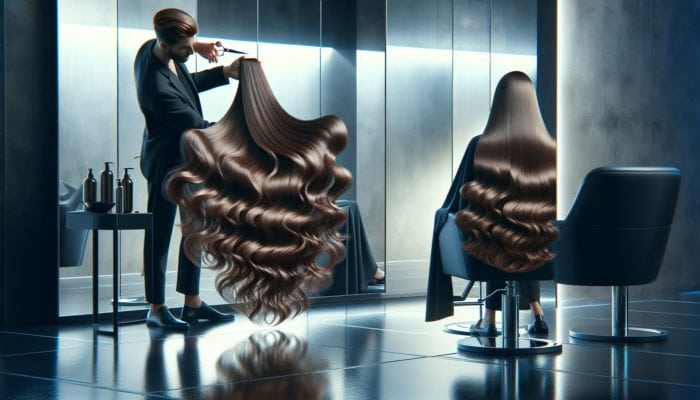
Mastering the Art of Executing Long Layers for Dynamic Hairstyles
What constitutes the execution of long layers?
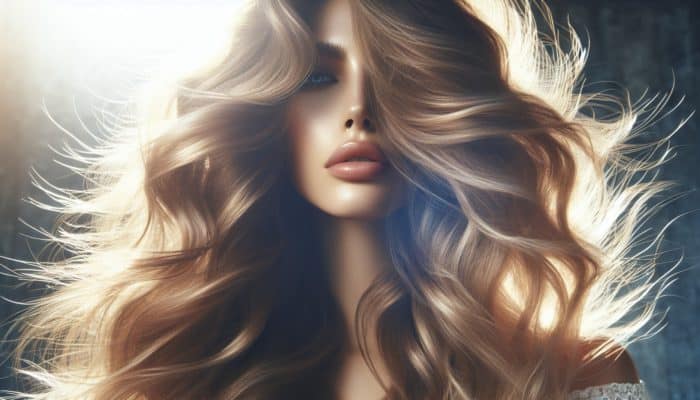
Executing Long Layers for Flowing Movement: A refined cutting technique designed to enhance the natural movement and volume of hair. This method ensures layers fuse seamlessly, resulting in a balanced aesthetic that appears both effortless and lively. By introducing long layers into hair design, stylists can significantly enhance the versatility of any haircut, enabling a range of styling possibilities adaptable to various settings. The core advantage of long layers is their ability to add depth and texture while preserving a healthy, natural look. This approach simplifies daily routines, allowing individuals to effortlessly manage their hair while embracing an elegant, flowing appearance.
When slicing long layers, the foundational principles focus on achieving balance and proportion. The primary aim is to create a lift that beautifully frames the face while ensuring that the layers uphold the overall integrity of the hair. A skillfully executed long-layer cut can flatter any face shape, making it a universally appealing option. The strategic addition of layers not only enhances the overall silhouette but also promotes movement, which is crucial for infusing life and dimension into the hair.
Essential Components for Effective Long Layering
Successfully mastering long layers necessitates an in-depth understanding of several critical elements that enhance both aesthetic appeal and functionality. These factors are critical to maintaining the intended shape and movement of the layers over time. Here are the fundamental components for effective execution:
- Cutting Technique: Utilising precise cutting methods that facilitate the desired layering effect.
- Texturising: Employing texturising scissors or razors to introduce movement and eliminate bulkiness.
- Blending: Guaranteeing a seamless transition between layers for an authentic appearance.
- Volume Control: Balancing the hair's weight through strategic layering to prevent flatness.
- Face Shape Consideration: Customising layers to complement individual face shapes for improved facial framing.
- Hair Type Adaptation: Adjusting techniques based on hair texture and density to optimise results.
- Styling Versatility: Allowing for a multitude of styling options, from sleek to tousled looks.
- Maintenance Ease: Ensures the cut is easy for the client to maintain, promoting longevity in style.
By incorporating these elements into long-layer styles, stylists can craft tailored looks that resonate with clients’ preferences, thereby ensuring satisfaction and encouraging repeat visits.
Essential Steps to Get Started with Long Layers
Initiating the process of creating long layers requires a robust foundation in hair-cutting techniques. The following foundational methods support fluid motion in styling and emphasise precision, both crucial for building confidence and refining skills. To embark on this journey, adhere to these steps:
- Assess Hair Type: Determine the hair's texture and density to select an appropriate layering technique.
- Sectioning: Organise the hair into manageable sections to maintain control during cutting.
- Guide Length: Set a guide length based on the client’s desired outcome and facial structure.
- Angle Technique: Use an angled cut to create layers that encourage movement.
- Check Balance: Consistently check for balance and symmetry as you cut to ensure uniformity.
- Dry Cutting: Consider dry cutting to observe how the hair falls and moves naturally.
- Consultation: Foster a dialogue with the client throughout the process to ensure satisfaction.
- Final Touches: Post-cut, refine the layers using texturising techniques to add fluidity.
Implementing these foundational steps will not only enhance the cutting process but also enable stylists to execute long layers successfully, ensuring a flowing and vibrant finish.
Advanced Techniques for Perfecting Long Layers
Advanced techniques for executing long layers include sophisticated cutting methods that significantly enhance the hair's structure and flow. This approach becomes particularly essential in professional environments, where client satisfaction hinges on the stylist's ability to deliver bespoke results. Integrating texturising techniques and precision blending can add depth and fluidity, culminating in a more dynamic and captivating hairstyle.
An effective technique is point cutting, which entails snipping the hair ends at an angle to create softer edges that blend seamlessly. This methodology prevents a blunt appearance, allowing for a more organic texture. Furthermore, employing over-direction during cutting can increase volume and movement by directing hair away from its natural fall. This not only enhances the layers but also offers a fuller look, particularly advantageous for finer hair types.
Another advanced approach is the shag cut, which intersperses various lengths to create an intentionally tousled yet chic appearance. By layering shorter sections sporadically throughout longer layers, stylists achieve a free-flowing movement that aligns with contemporary trends. It is imperative to adjust these techniques based on individual hair characteristics, recognising that thicker hair may require different handling than finer strands to optimise the style's longevity.
How Does Executing Long Layers Foster Fluid Movement?
What factors influence movement in layers?
The movement across layers is shaped by multiple factors that contribute to the hairstyle's overall dynamism. Grasping these elements is vital for stylists striving to create smooth transitions and vitality in hair design. One of the primary factors is the cut's structure; the way the hair is layered can either enhance or restrict movement. Strategically placed shorter layers around the crown can elevate the hairstyle, while longer layers provide a graceful fall.
Another significant factor is the role of texturisation. By employing techniques such as point cutting or slicing, stylists can reduce bulk and enhance movement while maintaining the hair’s natural texture. Additionally, hair weight is crucial; excessive heaviness can lead to a flat appearance, whereas well-placed layers can create lightness and bounce. Ultimately, the way hair is styled after the cut also influences its movement; for example, using appropriate styling products can help maintain the desired flow.
All these elements work synergistically to produce a hairstyle that flows seamlessly. The balance between structure and softness is essential; too much emphasis on one can result in a rigid look, while the correct blend fosters an engaging, lively appearance. Understanding these factors empowers stylists to craft layered styles that are visually appealing and functional.
Why opt for long layers to enhance motion?
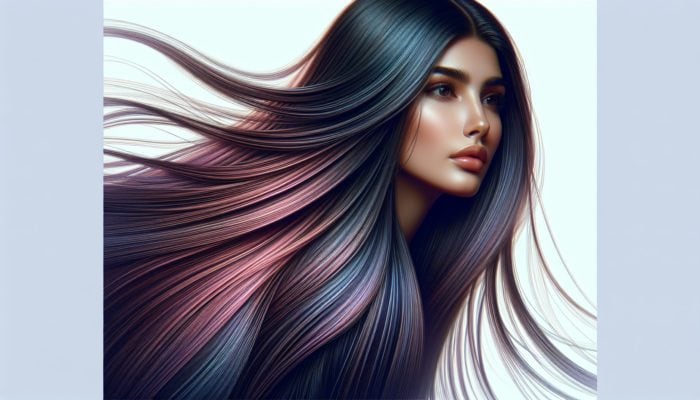
Long layers are a preferred option for those seeking to enhance movement in their hairstyle for several reasons. First, layers inherently introduce movement, allowing the hair to sway and shift rather than remaining static. This feature is particularly attractive for individuals with straight or fine hair, as layers can create the illusion of volume and vitality. Additionally, long layers offer extensive styling versatility; they can be worn sleek and straight or tousled and carefree, adapting effortlessly to various occasions.
Moreover, long layers contribute to an air of lightness and softness. When executed accurately, they create a natural frame around the face, allowing facial features to shine without overwhelming them. This equilibrium is crucial, especially for those wanting to highlight their unique characteristics. In contrast to blunt cuts, long layers can create a more effortless look and feel, conveying a sophistication often sought in modern hairstyling.
Finally, maintenance is a significant factor in the allure of long layers. They offer low-maintenance upkeep that many clients desire: as hair grows out, movement and flow largely remain intact, often requiring fewer salon visits than styles that may require frequent trims to maintain their shape. This combination of aesthetics and practicality makes long layers a top choice for those seeking movement in their hairstyles.
Common challenges faced with flowing layers
While executing long layers can produce breathtaking results, stylists may encounter common challenges during the process. One major issue is ensuring even layering, which can lead to a disjointed appearance if not executed properly. Inconsistent lengths can disrupt the overall flow, creating a jagged look instead of a smooth transition. To mitigate this, stylists should regularly verify the layers as they cut, utilising guide lengths as references to maintain balance.
Another challenge is managing bulk, particularly in thicker hair types. Without adequate texturisation, hair can become heavy and unmanageable, reducing movement. To address this, it is vital to use techniques such as slicing or point cutting to remove excess weight, allowing the hair to move freely. Furthermore, understanding the natural fall of hair can help stylists make adjustments to enhance movement.
Lastly, clients may have unrealistic expectations for their layers, often seeking a look that may not suit their hair type or face shape. This scenario underscores the importance of clear communication during consultations, where stylists can clarify the capabilities and limitations of long layers. By proactively addressing these challenges, stylists can ensure successful execution, resulting in flowing layers that surpass client expectations.
Expert Insights on Executing Long Layers for Enhanced Movement
What advanced techniques do specialists recommend?
Expert insights into executing long layers reveal actionable strategies using proven methods that can significantly enhance hair flow and movement. One such technique favoured by specialists is the over-direction method. By cutting hair in a direction opposite to its natural fall, stylists can create layers with built-in volume and movement. This approach is particularly effective for those with finer hair, as it helps achieve a fuller appearance without heavy cutting.
Another specialist technique involves utilising textured layers. By implementing varying lengths throughout the cut, hair can be styled in numerous ways, from soft waves to sleek straight finishes, while retaining volume. This method also reduces hair weight, resulting in a more buoyant feel that encourages natural movement. Specialists often advocate for dry cutting as well, which allows for real-time adjustments and ensures the final cut aligns with the hair's natural behaviour.
Real-world examples of these techniques are abundant in the salons of top hairstylists, where clients frequently seek versatile haircuts that transition smoothly from day to night. For instance, a client may arrive seeking a fresh look that can effortlessly convert from an office style to a night out. By employing over-direction and textured layers, the stylist can create a cut that meets these needs, exemplifying the versatility and movement that long layers can provide.
What benefits are observed in practice?
Numerous benefits emerge from expert analysis of how long layers improve styling outcomes. One primary advantage is the enhanced styling versatility of layered cuts. Clients value the ability to switch up their hairstyles without necessitating additional cuts, making long layers a favourite among those who crave flexibility. This adaptability leads to higher client satisfaction, as clients can style their hair to suit their mood or occasion with minimal effort.
Additionally, precise execution of long layers fosters a healthier appearance. When layered accurately, hair can maintain bounce and movement, decreasing the likelihood of damage associated with static styles. Clients often report that their hair feels lighter and more manageable, enhancing the overall experience. This ease of use and upkeep reinforces the idea that long layers are not merely a trend, but a practical choice for many.
Another notable benefit is the style's longevity. Clients opting for long layers often find their styles last longer than those with more rigid cuts. As hair grows, the layers continue to provide movement and flow, reducing the frequency of salon visits needed to maintain the shape. This long-term advantage translates into a better return on investment for clients, further solidifying the appeal of long layers within the hairstyling community.
What strategies can be employed for refinement?
Refining long layers requires a combination of trusted approaches to enhance adaptability and execution precision. One effective strategy is to encourage clients to engage in regular consultations. This interaction allows stylists to assess hair growth and adjust layers accordingly, ensuring that the style remains fresh and relevant. Regular touch-ups can enhance the layering effect, allowing for continued movement and flow.
Additionally, incorporating feedback mechanisms into the styling process can lead to significant improvements. Stylists should ask about their clients' experiences with the layers and any adjustments they would like. This open dialogue fosters trust and enables the stylist to make informed decisions that enhance the overall look. By embracing client input, hairstylists can refine their techniques and tailor their approach to better suit individual needs.
Moreover, stylists need to stay informed about current trends and techniques in layering to continually improve their skills. Attending workshops and seminars can introduce fresh insights, from innovative cutting methods to advanced texturising techniques, allowing stylists to remain at the forefront of the industry. By embracing ongoing education and adaptability, stylists can ensure that their long layers remain not only stylish but also functional and dynamic.
What are the maintenance and upkeep recommendations?
Proper maintenance and upkeep of long layers are vital for sustaining the flowing movement that clients desire. One of the most critical aspects of daily care is establishing a consistent routine that includes using the right products. Lightweight styling products, such as volumising mousses or leave-in conditioners, can help maintain the desired texture without weighing the hair down. Additionally, applying heat protectants before styling prevents damage, keeping layers looking fresh and vibrant.
Regular trims are essential for preserving layers in optimal condition. Clients should aim to trim every six to eight weeks to eliminate split ends and maintain the cut's shape. This practice not only enhances the layers but also promotes healthy hair growth. Encouraging clients to stay proactive in their hair care routine can lead to better results over time.
Lastly, adapting maintenance routines to suit individual hair types is key. Stylists should provide tailored advice based on the client's unique characteristics—those with curly hair may require different products and techniques than those with straight hair. By addressing these specifics, stylists can help clients achieve long-lasting results, ensuring their long layers retain their beauty for as long as possible.
What are the key techniques for achieving long layers?
Basic methods for executing layers effectively
Achieving long layers necessitates an understanding of fundamental cutting techniques that yield fluid results. One common approach is layering, which involves cutting sections of hair at varying lengths to create the desired layered effect. To implement this, begin by sectioning the hair into manageable parts, ensuring that each layer is cut to the specified length. Using a sharp blade is vital for precision, as dull knives can cause
Another effective method is the slide-cutting, which yields and enhances movement. By sliding the shears along the hair shaft rather than making a blunt cut, stylists can create a more textured look that integrates seamlessly with the overall style. Maintaining a steady hand during this process is crucial to ensure consistent results across all layers.
Utilising a guideline is also essential when cutting long layers. Establishing a reference point helps maintain uniformity throughout the cut, reducing the likelihood of discrepancies. Regularly checking for evenness and symmetry will lead to a polished finish, emphasising the layers' flow.
Overall, mastering these basic methods willgivee stylists a solid foundationfor executinge long layers effectively, ensuring a flui,d dynamic hairstyle that resonates with clients.
How can techniques be adapted for enhanced movement?
Adapting techniques to improve movement in long layers requires a critical examination of conventional cutting methods. One key approach is to challenge the traditional way layers are typically cut. Rather than relying solely on horizontal sections, incorporating diagonal or vertical cuts can create more movement and dimension. This technique facilitates a gentler transition between layers, allowing hair to flow naturally.
Additionally, integrating texturising techniques during cutting is crucial to promoting movement. Instead of concentrating solely on length, strategically removing weight from the hair can prevent it from becoming overly heavy. Techniques such as point cutting or razoring can help achieve this, resulting in a more lively appearance. Stylists should also consider the natural fall of the hair when adapting their techniques, as working with the hair's behaviour can yield more fluid results.
Moreover, questioning common practices is vital for refining execution. For instance, some stylists may heavily rely on blunt cuts, which can create a rigid appearance. By experimenting with softer cutting techniques, stylists can develop layers that encourage movement while enhancing the overall design. These adaptations will not only elevate the cut's sophistication but also resonate with clients seeking a modern, flowing hairstyle.
What tools are necessary for precise layering?
Having the appropriate tools is essential for achieving precise layering in haircuts. Here is a list of recommended items that facilitate smooth and effective layering processes:
- Sharp Hair Cutting Shears: Essential for clean cuts that prevent splitting.
- Texturising Shears: Useful for removing bulk and adding movement to layers.
- Razor: Excellent for creating softer edges and enhancing texture.
- Sectioning Clips: To keep hair neatly divided during the cutting process.
- Fine-Tooth Comb: Ideal for precise sectioning and smoothing hair before cutting.
- Spray Bottle: Keeps hair damp for easier cutting and blending.
- Cutting Cape: To protect clients and maintain a tidy work area.
- Mirror: Essential for clients to observe the styling process and provide feedback.
Utilising these tools effectively will significantly enhance the haircutting experience, allowing stylists to achieve the desired movement and flow in long layers.
What advanced techniques can be employed for long layers?
Advanced techniques for long layers focus on elevating the hair structure while promoting movement and volume. One method that has gained popularity is the elevated cutting technique. This involves lifting sections of hair upward before cutting, which creates volume at the roots and enhances the overall movement of the hairstyle. By cutting the hair at an angle while elevated, stylists can achieve a more dynamic look without sacrificing length.
Furthermore, strategically using over-direction can significantly influence the outcome. By directing hair away from its natural fall, stylists can create layers with inherent movement, allowing fluidity as the hair shifts. This technique is particularly beneficial for clients with thicker hair, as it reduces bulk and encourages a lighter feel.
Moreover, incorporating clustering techniques can further enhance the layering process. This involves grouping sections of hair for cutting, resulting in a more consistent look while maintaining the desired movement. When applied correctly, these advanced techniques will not only add volume but also ensure the hair retains its natural texture with a polished, professional finish.
Why is flowing movement crucial in layering?
What are the advantages of dynamic layers?
The advantages of dynamic layers in hairstyling cannot be overstated. Primarily, flowing movement injects a sense of life and vitality into the hair. Hairstyles that exhibit natural movement are typically perceived as healthier and more attractive, enhancing the overall aesthetic. Clients are far more likely to feel confident in hair that flows and shifts rather than remains static, leading to greater satisfaction with their appearance.
Moreover, dynamic layers offer unparalleled versatility. With movement incorporated into the cut, clients can effortlessly transition their hairstyles from day to night or from casual to formal with minimal effort. Whether styling for an event or opting for an everyday look, layers that promote movement can adapt to any circumstance, allowing clients to express their individuality while maintaining a refined appearance.
Additionally, flowing movement can significantly improve how light interacts with the hair. Layers create dimension, enhancing the interplay of light and shadow and adding depth to the overall look. This captivating visual effect is particularly desirable in photography and on camera, making dynamic layers a preferred choice for models and influencers alike.
What potential drawbacks arise without flow?
The lack of flow in layered hairstyles can lead to several drawbacks that affect both aesthetics and functionality. One primary risk of static designs is the appearance of flatness. Hair lacking movement may appear lifeless and unappealing, detracting from the overall impression. This flatness can lead to client dissatisfaction, as clients seek a more vibrant, lively look.
Moreover, rigid cuts may restrict styling options. When hair does not move fluidly, creating different styles or altering looks easily becomes challenging. This limitation can frustrate clients seeking versatility, prompting them to seek alternative hairstylists or cuts that offer greater adaptability.
Additionally, static designs often require more frequent maintenance to maintain a polished appearance. As hair grows out, lack of movement can accentuate unevenness or awkward shapes, requiring more frequent salon visits. This situation can be both time-consuming and costly for clients, underscoring the need to incorporate movement into layered styles to ensure lasting satisfaction.
How can movement be integrated into routines?
Integrating fluidity and movement into hair routines is essential for maintaining a dynamic hairstyle. One effective strategy to achieve this is to encourage clients to adopt styling techniques that enhance movement, such as curling wands or texturising sprays. These tools can help create waves and texture, adding depth to layered cuts. Additionally, clients should be educated on the importance of utilising lightweight products that provide hold without weighing hair down.
Another approach is to promote ongoing education on styling techniques. Clients should be informed about various ways to style their hair using an array of tools and techniques. Demonstrating how to create loose waves or tousled looks can empower clients to fully embrace their layered hairstyles, promoting ongoing enjoyment of their appearance.
Finally, emphasising regular maintenance routines is vital. Clients should be encouraged to maintain trims and use appropriate products that promote hair health, ensuring their layers maintain their shape and movement over time. By integrating these practices into daily routines, clients can enjoy lasting fluidity in their layered hairstyles.
What are the research-backed benefits of executing long layers for flowing movement?
What evidence-based outcomes arise from layering?
Research indicates that layering hair can improve motion and user satisfaction. For instance, many clients report feeling more confident and vibrant with layered cuts that enhance movement and flow. One key finding is that hairstyles with flowing layers are perceived as healthier and more attractive, leading to higher overall client satisfaction.
Moreover, studies indicate that properly executed layers can significantly reduce the time clients spend styling their hair. By encouraging natural movement, layers help clients achieve stylish looks with minimal effort, increasing their willingness to maintain their hairstyles longer. This ease of styling contributes to a positive user experience, reinforcing the popularity of long layers in contemporary hairdressing.
Real-world examples further illustrate these outcomes: salons that specialise in layered cuts often see higher client retention. This trend underscores the importance of executing long layers effectively, as satisfying results foster loyalty and generate positive word-of-mouth referrals within the community.
What long-term effects can be expected from style maintenance?
The long-term effects of incorporating long layers into haircuts are significant, particularly for maintaining vitality and ease. Clients find that layered hairstyles retain their appeal longer than more blunt styles, as the hair's natural movement continues to evolve with growth. This adaptability allows clients to enjoy their hairstyles without substantial alterations, making layered cuts a practical choice for many.
Additionally, layers can enhance the longevity of colour treatments. With flowing movement, colour is distributed more evenly throughout the hair, allowing for a visually engaging look that resists fading over time. This aspect is particularly beneficial for clients who invest in colour services, as they can enjoy their vibrant hues without the concern of rapid deterioration.
Overall, the long-term benefits of long layers demonstrate not only their aesthetic appeal but also their practicality for clients seeking sustainable styling options. These enduring advantages make long layers a cornerstone of the hairstyling industry.
What factors enhance the benefits of long layers?
Several factors can amplify the benefits of usingayers, ensuring optimal effectiveness and longevity in practice. One primary factor is skill level; experienced professionals who understand that layering can create more effective cuts that deliver. Continuous training and education can improve technology, enabling stylists to adapt their methods to a variety of hair types and styles.
Another influencing factor is the selection of products used alongside layered cuts. High-quality styling and maintenance products can significantly impact the overall appearance and longevity of the hairstyle. For instance, utilising nourishing treatments can enhance hair health, while styling products that promote movement can further elevate the layered look.
Moreover, understanding individual client needs is crucial. Tailoring layers to accommodate different hair types, textures, and client preferences ensures that the cut remains practical and satisfying over time. By considering these personal characteristics, we can maximise the benefits associated with long layers, crafting a more compelling and enjoyable experience for clients.
How can long layers be maintained for ongoing movement?
What daily care is essential for layered hair?
Maintaining long layers for enduring movement necessitates a dedicated daily care routine tailored to the specific needs of layered hair. One of the most critical aspects is the use of appropriate products. Lightweight styling products, such as volumising sprays or curl enhancers, can help uphold the integrity of the layers without weighing them down. Clients should be encouraged to experiment with various products to determine what works best for their hair type.
In addition to selecting the right products, a consistent washing and conditioning routine is vital for keeping hair healthy and vibrant. Clients should be advised to use shampoos and conditioners formulated for their hair type to ensure the hair remains nourished and free of damage. Regular deep conditioning treatments can also enhance moisture levels, promoting softness and shine.
Lastly, clients must adopt gentle styling techniques. Rather than relying on styling tools' settings, using temperatures helps preserve hair while maintaining the desired movement. By embracing these daily care practices, clients can ensure their long layers remain vibrant and flowing over time.
What common maintenance errors should be avoided?
Several common maintenance errors can disrupt the flowing movement of long layers. A significant mistake is using heavy products that can weigh down the hair, resulting in a flat appearance. Clients should be advised to avoid products containing excessive oils or waxes, which can cause buildup and impede movement.
Another frequent error is neglecting regular trims. Allowing layers to grow out without maintenance can lead to split ends and an unkempt appearance, detracting from the overall flow of the hairstyle. Clients should be encouraged to schedule regular appointments to maintain their layered cuts, ensuring that the shape and movement remain intact.
Additionally, improper styling techniques can contribute to the deterioration of layered hair. Clients should be educated about the importance of heat protection and the benefits of using appropriate styling tools. For example, using a wide-tooth comb to detangle wet hair can prevent breakage, while applying heat protectants can safeguard against damage when using hot tools. By avoiding these common pitfalls, clients can enjoy their long layers without sacrificing movement or health.
What routine supports longevity in long layers?
To promote the longevity of long layers, clients should adopt a comprehensive hair care routine that covers all aspects of maintenance. Here are key practices that contribute to enduring movement and resilience in layered hair:
- Regular Trims: Schedule visits every six to eight weeks to maintain shape and remove split ends.
- Quality Products: Use lightweight, nourishing shampoos and conditioners suited for your hair type.
- Heat Protection: Always apply a heat protectant before using styling tools to prevent damage.
- Gentle Styling: Embrace low-heat styling techniques and use wide-tooth combs when detangling.
- Deep Conditioning: Incorporate regular deep-conditioning treatments to maintain moisture.
- Product Rotation: Experiment with different lightweight styling products to find the best fit.
- CCoyours: Consultation about your communication with a stylist regarding hair needs and adjustments.
- Hydration: Drink plenty of water and maintain a balanced diet to support overall hair health.
By implementing these key practices, clients can ensure their long layers remain vibrant and flowing, delivering a captivating, dynamic hairstyle that lasts.
What advanced tips can enhance the execution of long layers?
What innovative approaches can be applied to layering?
In hairdressing, innovative layering techniques can significantly elevate the results of long layers, fostering creativity and uniqueness in each cut. One innovative method is the asymmetrical layering technique, which intentionally creates an imbalance across the approach, adding intrigue and dimension, delivering a contemporary, stylish finish that departs from traditional, symmetrical cuts. Asymmetrical layers can be particularly effective for clients desiring a bold statement with their hairstyle.
Another cutting-edge technique is the use of curly-cutting methods specifically designed for textured hair. This approach involves cutting layers with the natural curl pattern in mind, ensuring the style maintains its shape and movement without sacrificing definition. By embracing the hair's natural texture, stylists can create a vibrant look that enhances the client's individuality.
Additionally, incorporating creative colour placement alongside layered cuts can amplify the overall effect. Strategically placed highlights and lowlights can enhance movement and dimension, making layers appear more dynamic. This combination of colour and layering techniques affords clients a unique, eye-catching style that sets them apart.
How can layers be customised for specific effects?
Customising layers for specific effects is a crucial skill for hairstylists aiming to create tailored looks for their clients. One effective method is to consider the client's face shape when executing layers. For instance, adding soft, face-framing layers can enhance facial features, while longer layers can elongate the face. Understanding how different layering techniques interact with facial structure allows stylists to achieve more flattering results.
Moreover, tailoring layer lengths to the client's lifestyle and styling preferences is essential. For those who prefer low-maintenance styles, opting for longer layers that require minimal upkeep may be more suitable. Conversely, clients who enjoy experimenting with their hair can benefit from shorter, more dynamic layers that afford versatile styling options.
Incorporating personalisation into the layering process is another way to enhance the outcome. Stylists should encourage clients to express their preferences and desires, allowing for a collaborative approach that results in a cut that truly reflects the individual. By embracing these customisation techniques, stylists can create layered hairstyles that resonate with each client's unique style.
What final adjustments ensure perfection in long layers?
Final adjustments are crucial to achieving optimal results, while the overall cut maintains maximum fluidity and appeal. One effective strategy is to conduct a thorough inspection after completing the initial cut. This step involves checking for any unevenness or areas requiring additional refinement. By taking the time to assess the cut from various angles, stylists can ensure a polished finish that effectively showcases the layers.
Additionally, applying texturising techniques as a final step can enhance movement within the layers. This may involve lightly texturising the ends or specific sections to create softness and enhance flow. It's important to balance the level of texturisation with the desired outcome, ensuring that the layers retain their intended shape while benefiting from added movement.
Finally, seeking client feedback in the final stage improves outcomes. Improve outcome-specific preferences to guide the stylist in making final adjustments to ensure satisfaction. By prioritising open communication and collaboration, stylists can ensure that the finished product aligns with the client’s vision, resulting in long layers that are not only visually stunning but also perfectly suited to their individual style.
Frequently Asked Questions
What are long layers, and how do they differ from other haircuts?
Long layers are a cutting technique where the hair is cut at varying lengths to create movement and volume. Unlike uniform, blunt cuts, long layers add dimension and texture, providing greater versatility.
Can long layers work for all hair types?
Yes, long layers can suit various hair types, including straight, wavy, and curly hair. Each hair type may require different techniques to achieve the desired movement, ensuring a tailored approach.
How often should I get my long layers trimmed?
It’s recommended to have long layers trimmed every six to eight weeks to maintain their shape and remove split ends, preserving the hair's flowing movement.
Which products should I use to maintain long layers?
Using lightweight styling products like volumising mousses, leave-in conditioners, and heat protectants is ideal for maintaining long layers. These products help retain movement without weighing the hair down.
How can I style my long layers for a different look?
Long layers are versatile and can be styled using various techniques. Consider using tools such as curling wands for waves or flat irons for a sleek finish to enhance the layers’ movement and texture.
Are there specific techniques for cutting long layers in curly hair?
Yes, when cutting long layers in curly hair, it is essential to consider the curl pattern. Techniques like curl-by-curl cutting can help maintain shape and movement while preventing frizz and loss of definition.
What should I avoid when caring for long layers?
Avoid heavy products that can weigh down your hair and cause a flat appearance. Additionally, neglecting regular trims can result in split ends, disrupting the flow of your layers.
Can I add colour to my long layers?
Absolutely! Adding highlights or lowlights can enhance the movement and dimension of long layers, making them appear more dynamic and visually engaging.
How do I prevent damage to my long layers?
To prevent damage, use heat protectants before styling, avoid excessive heat, and maintain a regular deep conditioning routine to keep your hair healthy and nourished.
What is the best way to communicate my desired long-layer style to my stylist?
Bring in photos of desired styles that resonate with you, and clearly communicate your preferences regarding length, movement, and overall look. Open dialogue with your stylist is key to achieving your ideal long layers.